Iterative Design
In this Learning Outcome, I explored and used design tools and iteratively designed visual works. I created multiple different designs and tested those with stakeholders and users.
Wireframes & Exploration
Project Portfolio
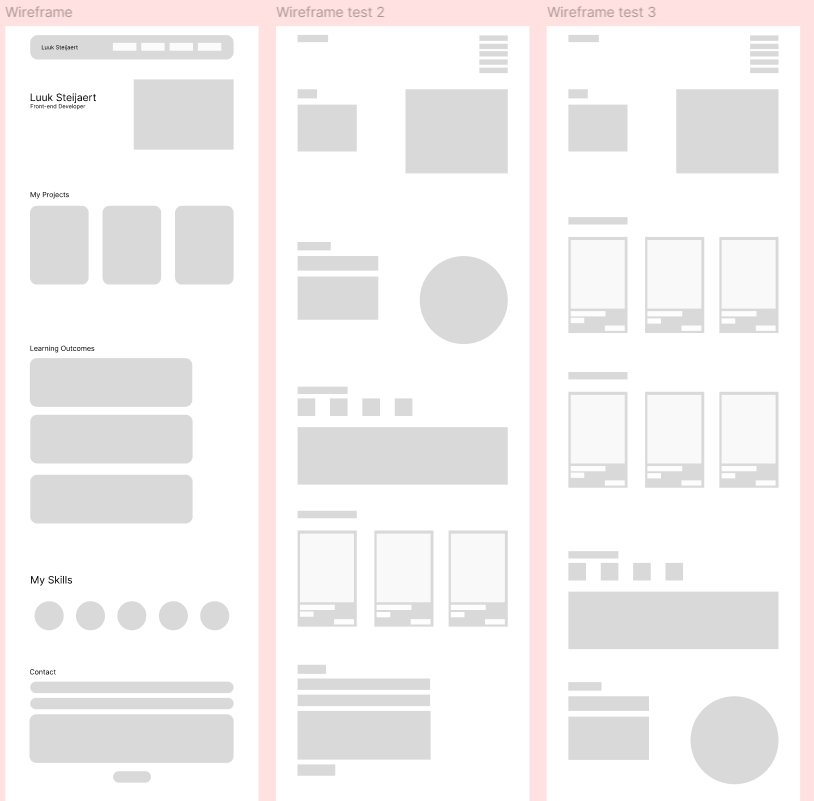
For this first example I created some wireframes for my portfolio website. I then went to a professional to gather feedback to the wireframes that I made.
Why did I make the wireframes?
I created the wireframes to visualize how I wanted my portfolio to look without adding a lot of content to the pages upfront. This way, I didn't have to spend too much time building pages that might be discarded if I decided to change the design.
Feedback
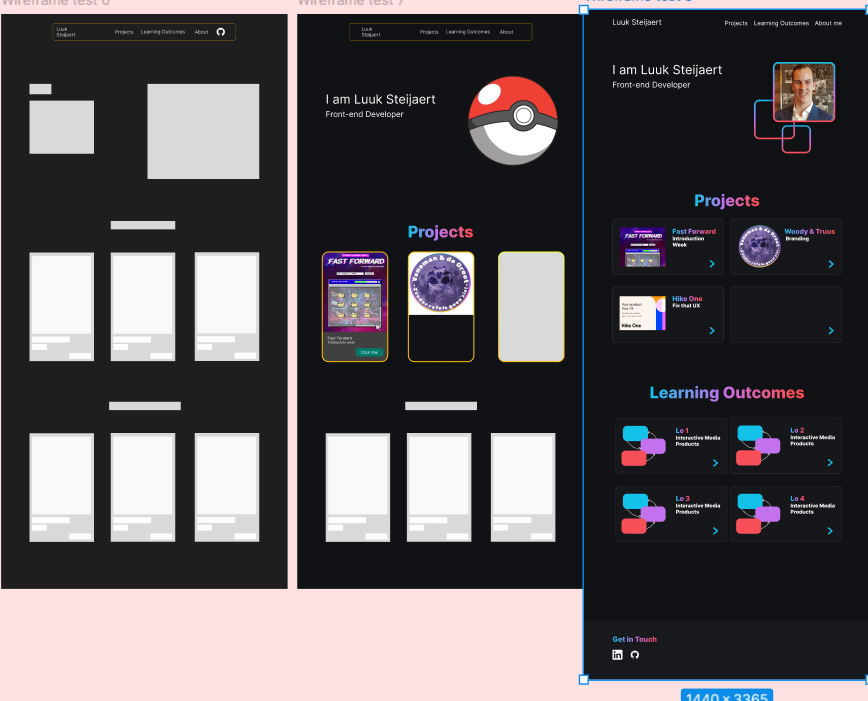
The feedback that I got was that I had too many elements that didn't
really fit in the portfolio that I needed to make for this portfolio.
I then simplified the design and made it more minimalistic with less
elements.
To view the further clarification of all changes done to my portfolio
click
here.
Exploration
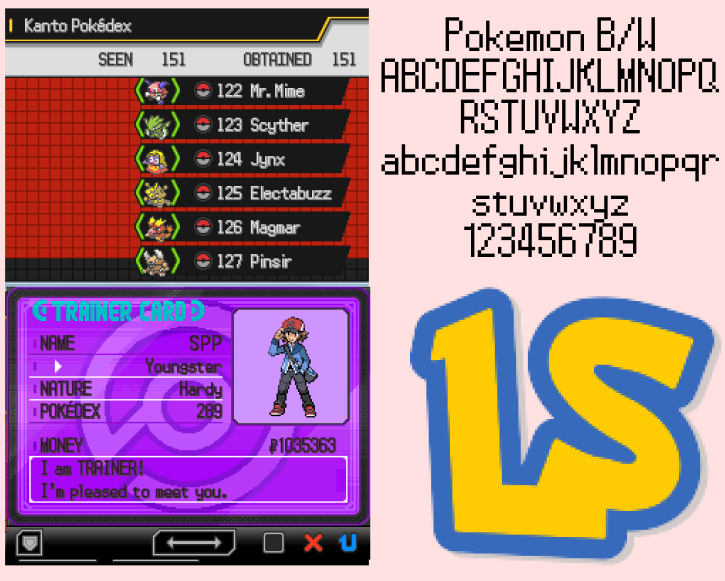
As part of the design process, I explored multiple themes, drawing
inspiration from things I'm passionate about, including Pokémon.
Initially, I was excited to incorporate this into the final design,
but after much experimentation, I realized that the design wasn't
quite meeting my expectations.
Through careful consideration, I decided to move away from the Pokémon
theme and opted for a simpler, more streamlined design. This decision
reflects the iterative nature of the designer's process: trying out
bold ideas, assessing their impact, and ultimately choosing the path
that best serves the overall vision and goals of the project.
More information about the process and why I made certain choices can be found here.
This journey helped me refine not only the design itself but also my approach to creativity and problem-solving.
Stylescapes
Project Branding
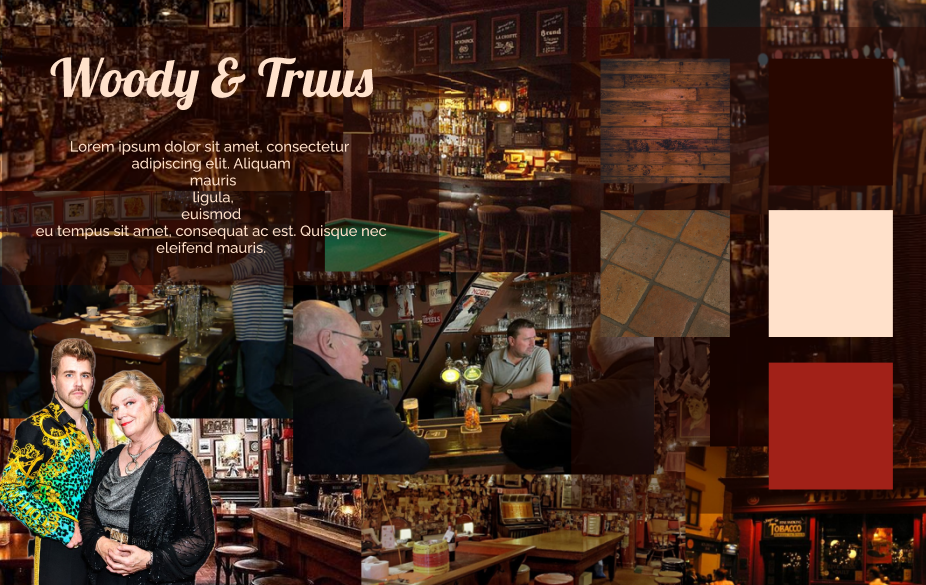
For this example, I created a stylescape for the brandguide of Woody
Truus. I created a stylescape and so did my groupmates. My stylescape
wasn't the one that we eventually chose to iterate but it was part of
the whole process.
My first stylescape was inspired by the traditional “bruincafés” in
Eindhoven.
Feedback
After receiving feedback from my teacher, I created a second version of the design, incorporating a new look and addressing the key points from the critique. One major takeaway was to avoid using Lorem Ipsum, as it doesn't contribute meaningfully to the design. Additionally, I learned to shift the focus away from irrelevant elements or people, ensuring that the design highlights what truly matters.

My design wasn't chosen to iterate further on but I learned a lot from the feedback that I got from my teacher and my groupmates. to see the whole project click here.
Logo's
Project Branding
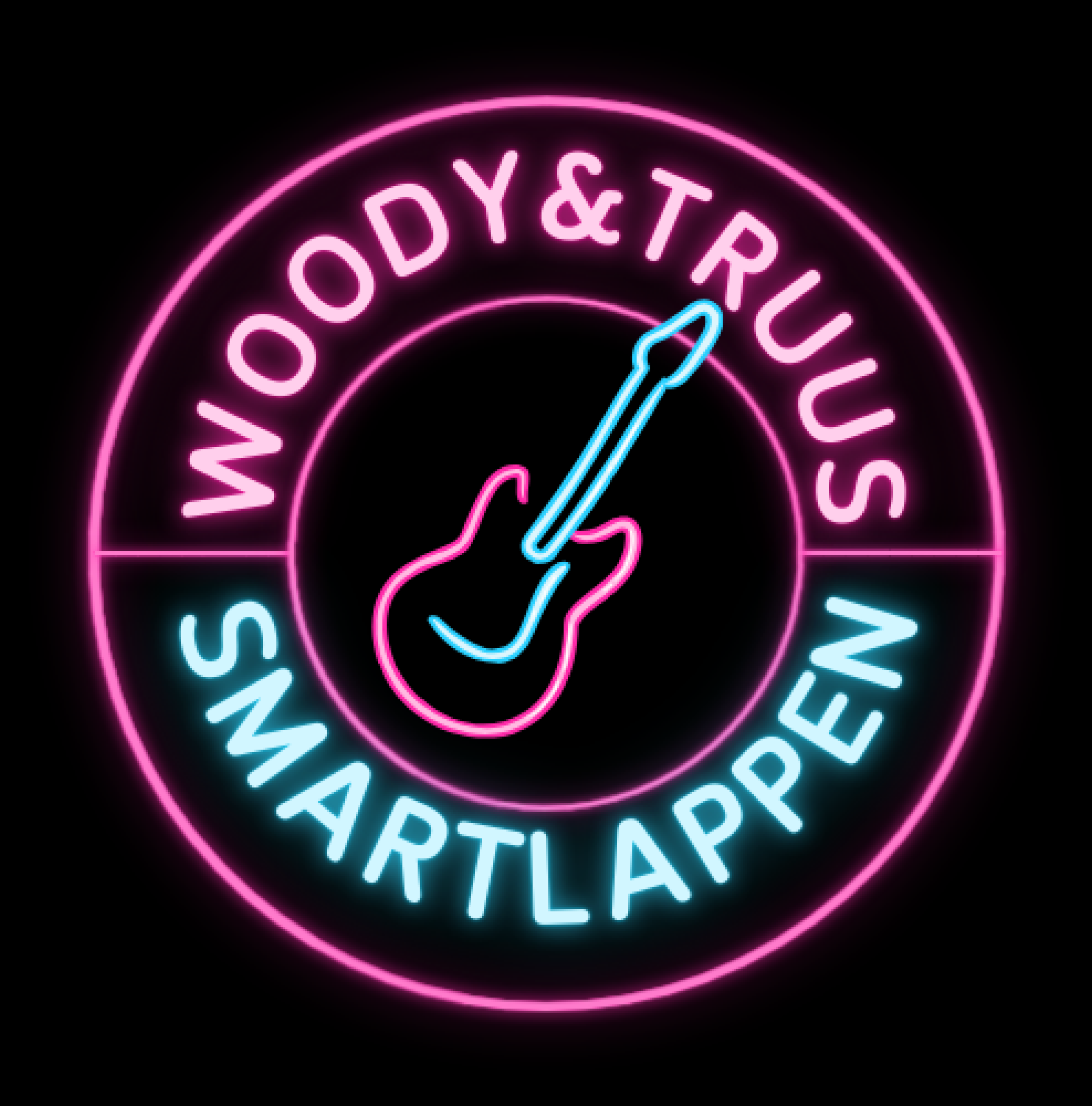
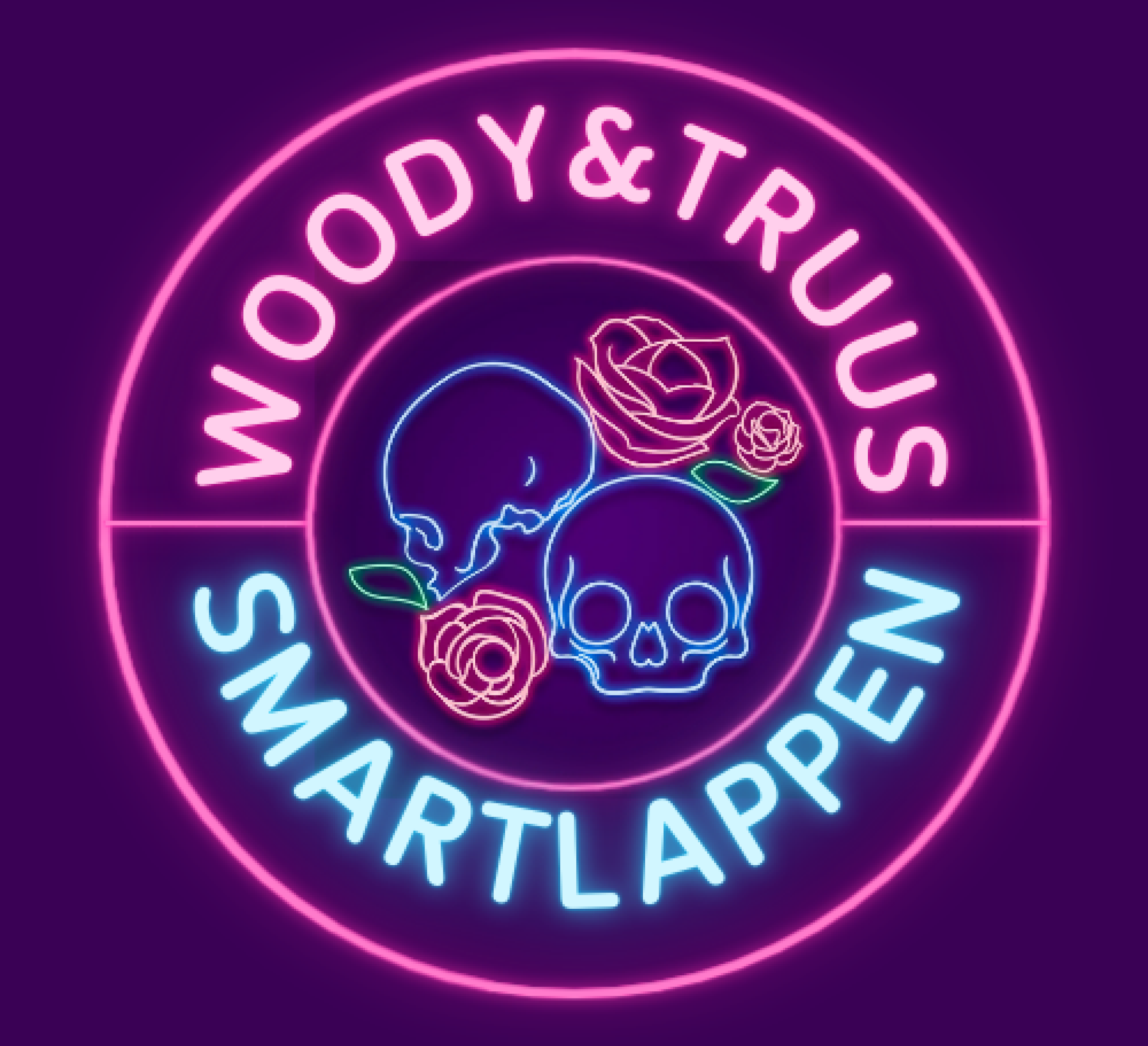
For this example, I created some logo's for the brandguide of the client. I made the first two logo's using Canva and input from the client.
Feedback
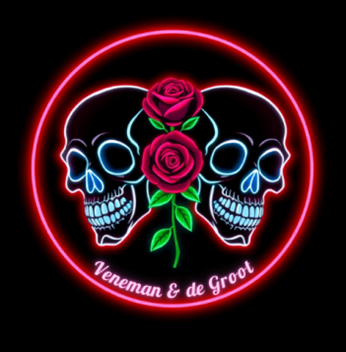
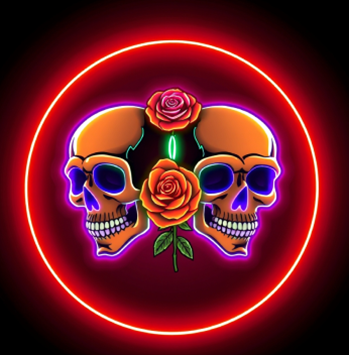
After presenting these logo designs to the client and the rest of the group, I received valuable feedback that guided the next steps. The client particularly liked a design created by one of my groupmates, which featured skull elements. Taking this into account, I made slight adjustments to my logo design and incorporated skulls, with the help of AI, to align with the client's preferences.
My design wasn't chosen as the final design to go after because we all made logo's meaning I didn't iterate further on the design of the logo.
A-B Test
Project Fix That UX
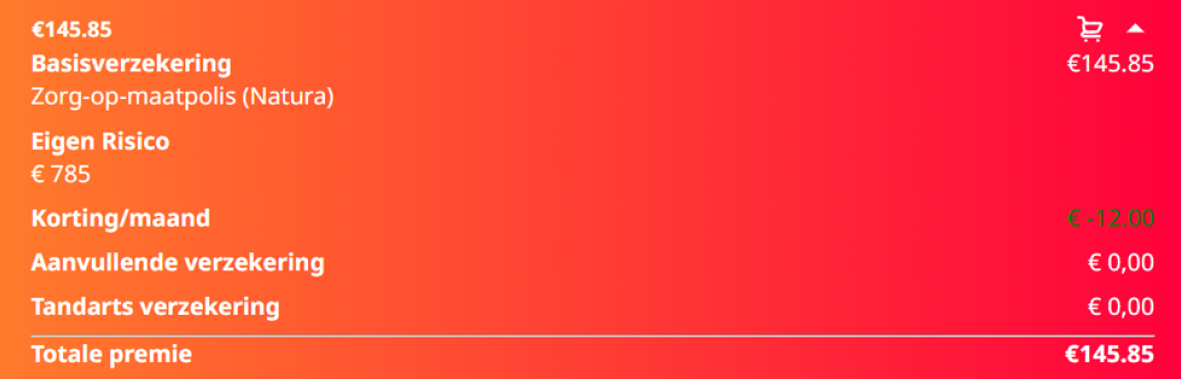
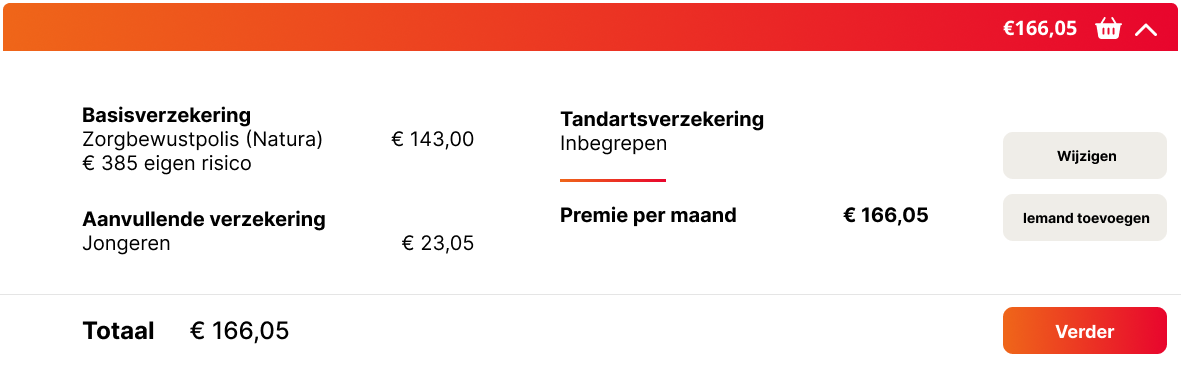
For this example, I created an iteration based on the results of an A-B test conducted during the "basket case" phase of the Hike One project. The insights from the test provided data-driven direction, allowing me to refine the design to better meet user needs and project goals.
Iteration
I wasn't entirely satisfied with the original design, so I created my own version as an alternative. To ensure the best fit for the project, I involved the users by letting them decide which version resonated most with the design goals. The users decided to use my design, which was design A.
Reflection
Through these examples, I learned the importance of iteration in the design process. By creating multiple versions of a design and incorporating feedback from stakeholders and users, I was able to refine my work and create more effective solutions. This iterative approach allowed me to explore different ideas, test their impact, and make informed decisions based on the results.
What do I want to do in the Future?
In the future I want to have more iterations on my designs. At the current moment I think I didn't do a lot of iterations of different designs and I should have done more. I also want to get more feedback on those iterations.